Featured series
spectrasonics
Spectrasonics, a one-of-a-kind project, aims to offer a certain vision of aesthetics while addressing some challenges we encounter in the NFT space, such as the immediacy of digital art and the all-too-frequent absence of soundscapes.
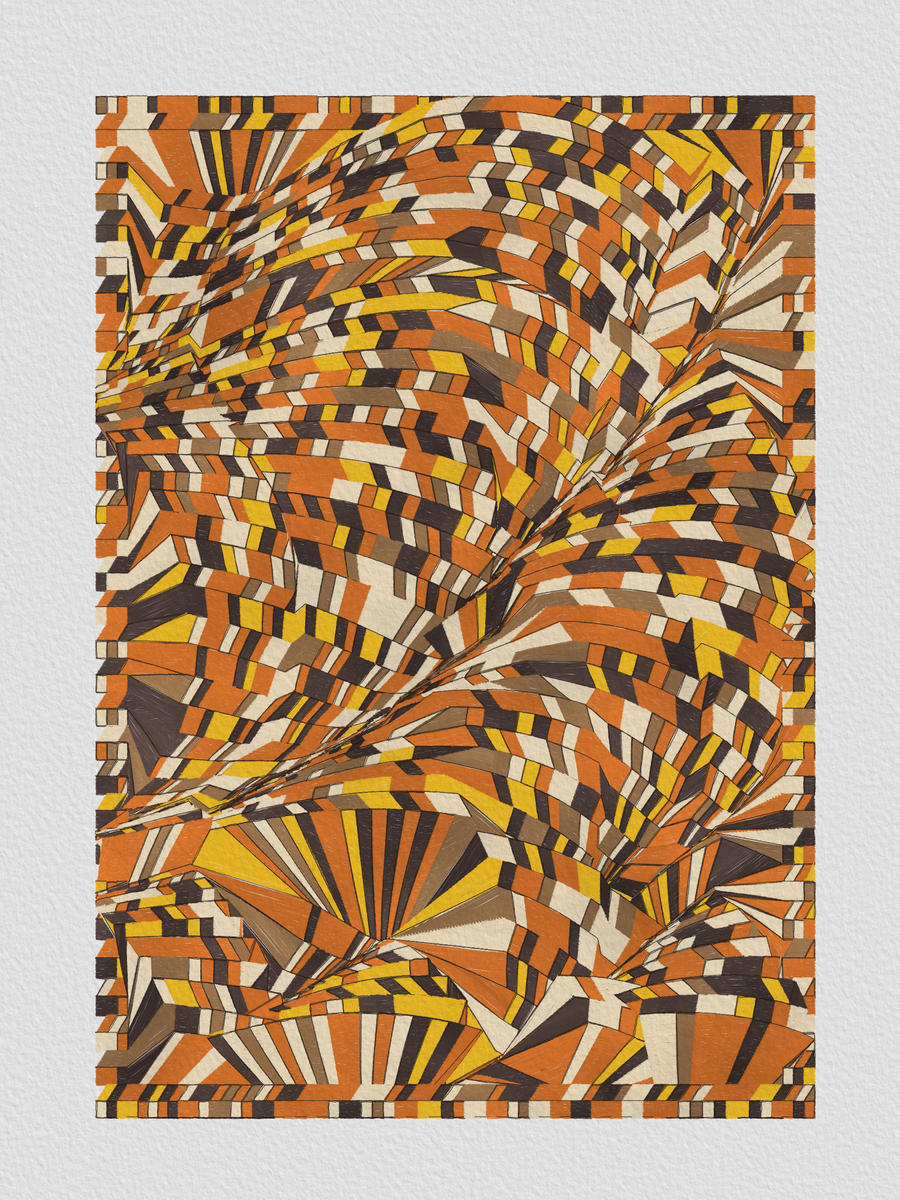
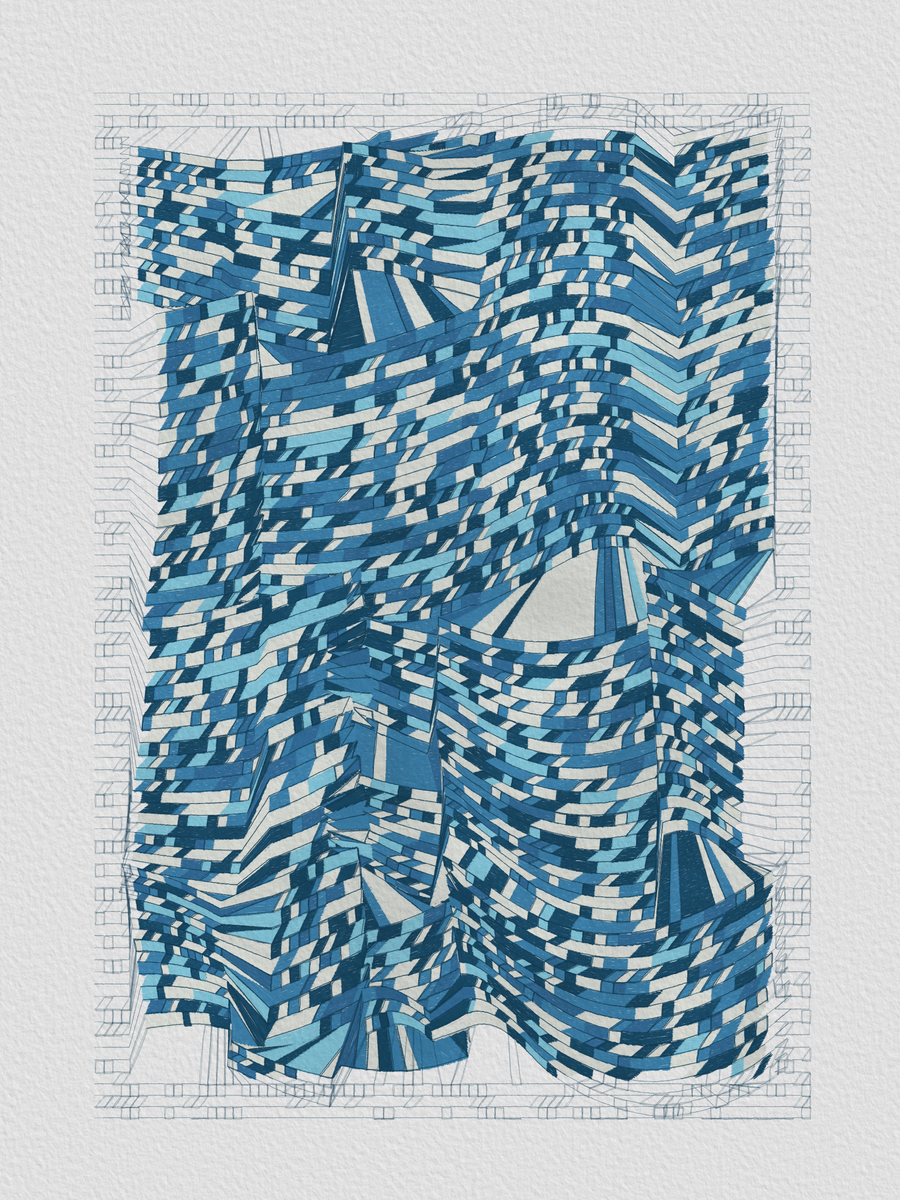
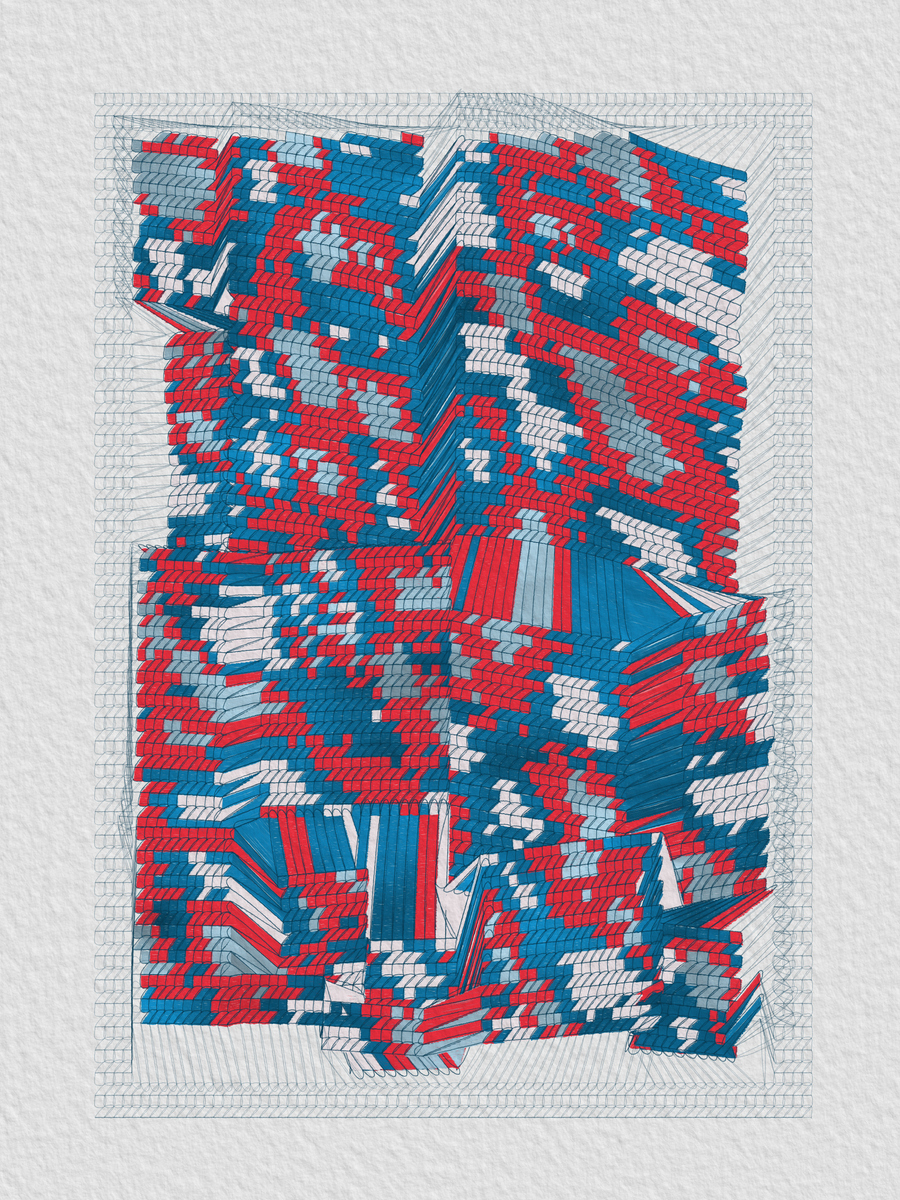
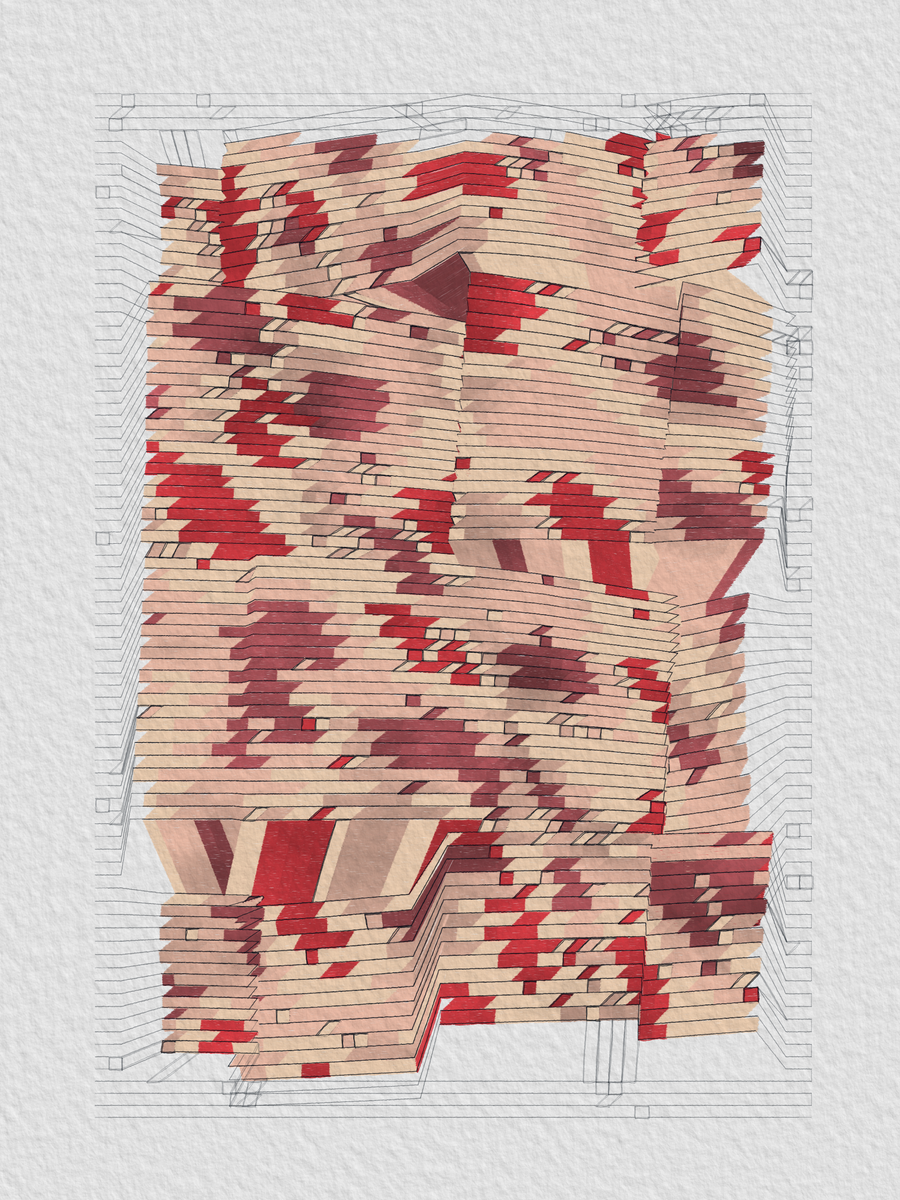
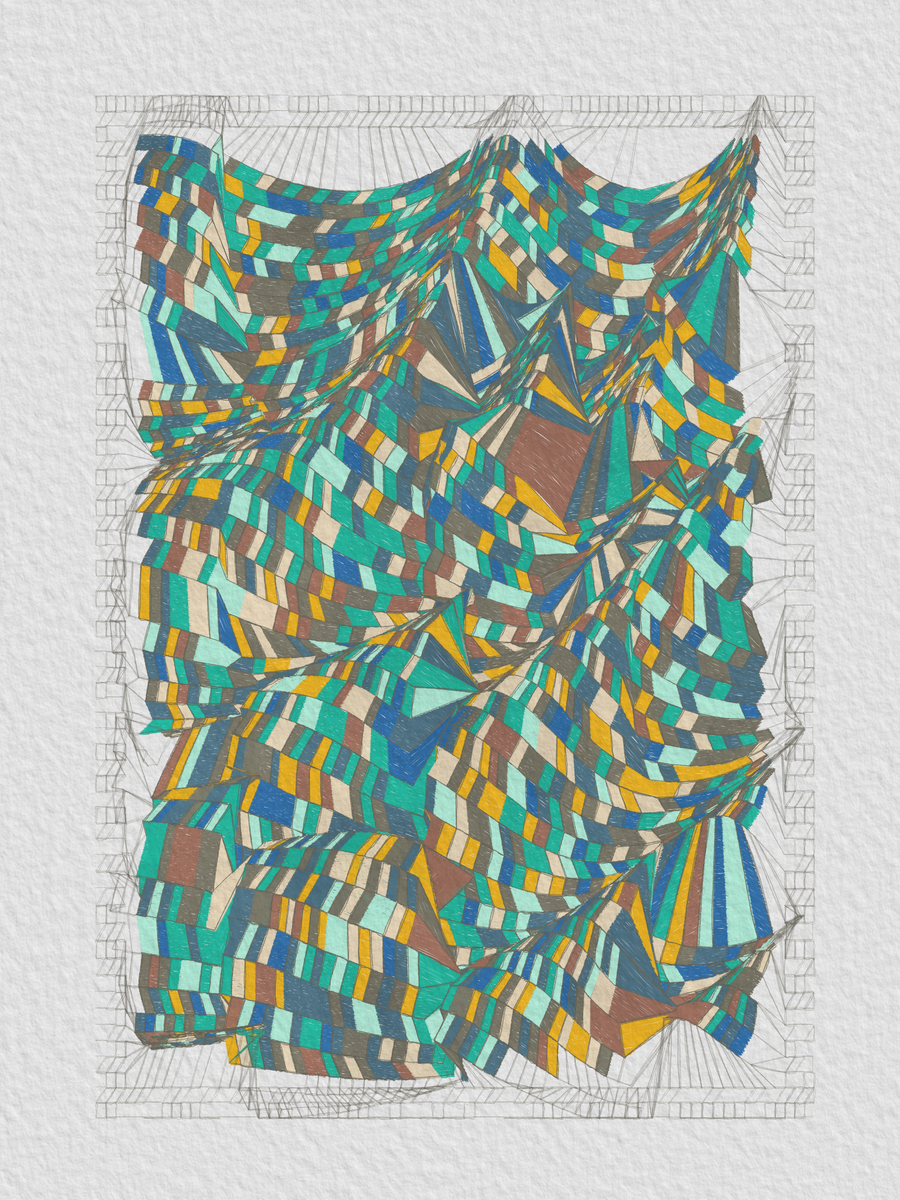
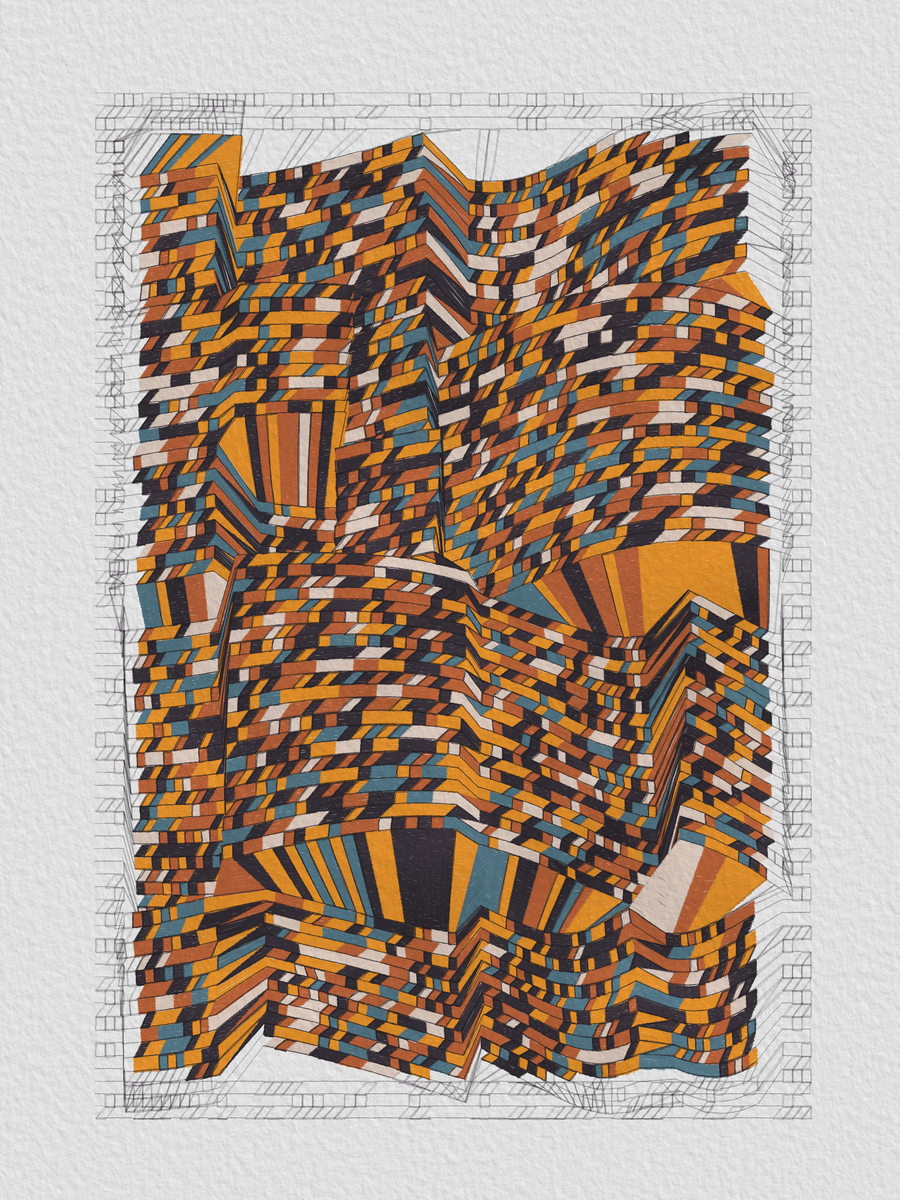
20/256 minted · Ethereum
Latest releases
All artworksFluf (fdots)hash2art5/333 minted20265/333
CHAPEL CITIESVinay K Nandishettar20/10000 minted202620/10000
StargraphHamonshu1/64 minted20261/64
Shattered: 1070 daysTibout Shaik10/1070 minted202610/1070
CosmographHamonshu2/2 minted20262/2
SEIMEIRABZ155/512 minted2026155/512
NormieAuraBurcin IO26/420 minted202626/420
Sandscapes cc0 Specials - BOOAsBurcin IO1/1 minted20261/1
SANKEYRABZ116/512 minted2026116/512
EverGreen L1Qotonana41/256 minted202641/256
Sweet DecemberBurcin IO15/∞ minted202515/∞
LEGO CITYIkiddo5/50 minted20255/50
OpenUpcomingComplete
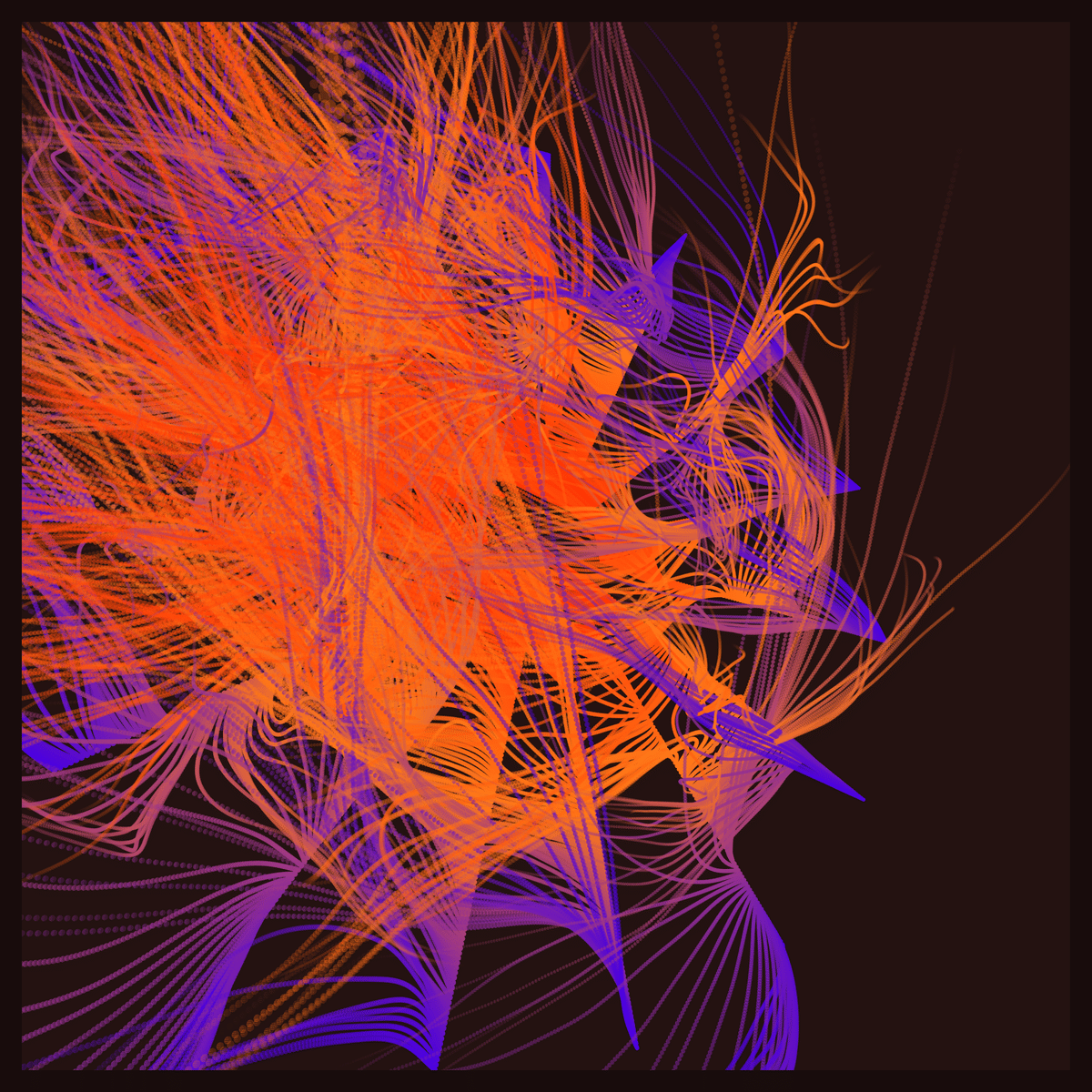
Fluf (fdots)
Generative code (JavaScript, p5.js), stored on Ethereum
5/333 minted · Ethereum
Provenance
How a 256ART work is keptEach work carries its own provenance. The code that draws it, the traits of every output and its record of ownership all live on the blockchain.
- Work
- Fluf (fdots), hash2art
- Chain
- Ethereum
- Contract
- 0x11C2…f40d
- Artwork code
- Stored in the contract
- Traits
- Stored in the contract
- Rendering
- Live, from tokenHTML
- Outside dependencies
- None
Learn
All articlesCommon questions
What is 256ART?
256ART is an open platform for generative art on Ethereum, Base and Shape. Modern releases preserve their creative code, token traits and chain-built metadata in smart contracts, so collectors can retrieve the live work without depending on the 256ART website.
What does fully on-chain (in-chain) mean?
For modern 256ART releases, the collection contract builds the ERC-721 tokenURI metadata and its browser-renderable live artwork from blockchain data. No 256ART metadata server, IPFS gateway or separate generator is required to retrieve the canonical work. A hosted thumbnail may still be included as a lightweight marketplace preview.
How does minting generative art work?
Each token receives or records a unique seed. The artist's deterministic algorithm translates that seed into composition, traits and behavior, so the same seed can reproduce the same work. On 256ART the contract assembles the token's inputs and live HTML, while the collector's browser executes the artwork.
Can I retrieve the artwork without 256ART?
Yes, for modern releases. You can call tokenURI or tokenHTML on the collection contract through a compatible block explorer or RPC, then decode the returned data URI. The interface and hosted preview could disappear, but the chain-built metadata, scripts and live-art retrieval path would remain available while the underlying chain is readable.
How is the art sold?
Artists choose fixed price, Fair Dutch auction or open edition. In a Fair Dutch auction the price descends until the collection sells out or reaches its reserve, and minters who paid above the final clearing price can claim the difference as a rebate. Open editions allow an uncapped number of mints during a defined sale period. Releases may also include an allowlist phase.
Can anyone release art on 256ART?
Yes. 256ART is an open platform, so any artist can create an account in the artist portal and release work. A release only needs an artwork.js file and a traits.json file, testing is fully automated, and you keep sole ownership of your smart contract. Fees are 10% on primary sales and 10% of the royalty you set on secondary sales.
What do the artwork tags mean?
OG marks the first eight series, released before 256ART became an open platform. Dynamic artworks can change based on blockchain data such as the current owner, block number or total supply. Animated, Interactive and Sound indicate motion, interactivity and audio. You can filter the artworks page by these tags.